


Import and export
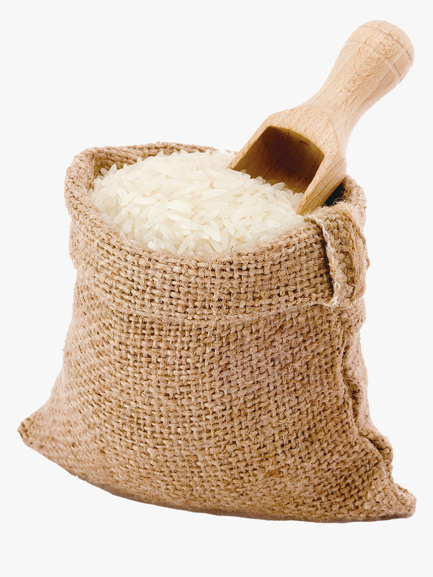
RICE
The global rice trade is a vital component of the international food supply chain, with major exporting countries including India, Thailand, Vietnam, Pakistan, and the United States.
These nations produce a wide range of rice varieties to cater to diverse consumer preferences worldwide. Exported rice is shipped to various destinations, with key importers located in Africa, the Middle East, and Asia. Importing countries heavily rely on rice imports to meet domestic demand, often due to limited domestic production or to supplement local supplies.
Importing nations implement trade policies and adhere to international quality standards to ensure the safety and quality of imported rice. The rice trade plays a crucial role in ensuring food security, stabilizing prices, and meeting the dietary needs of populations around the world. Market trends, trade agreements, and geopolitical factors influence the dynamics of the global rice trade, shaping import and export patterns in response to changing demand and supply conditions.
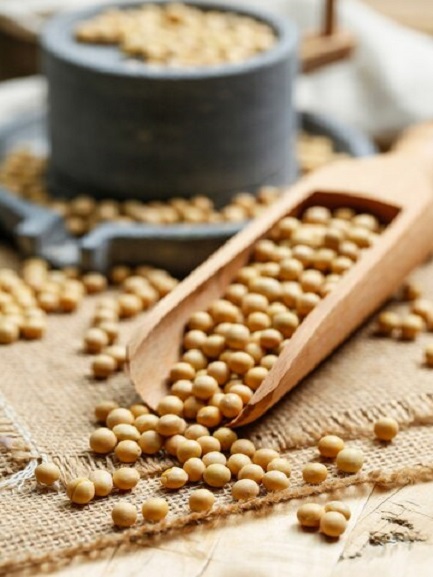
SOYA DOC
Soya Doc, or soybean meal, is a valuable commodity in the global agricultural trade. It is a protein-rich byproduct derived from the extraction of oil from soybeans, making it an essential component of animal feed worldwide.
The largest exporters of Soya Doc include the United States, Brazil, and Argentina, which are major producers of soybeans. These countries utilize advanced agricultural practices and have extensive soybean cultivation areas, allowing for significant production of soybean meal. Importers of Soya Doc are primarily countries with large livestock and poultry industries, such as China, the European Union, Japan, and Southeast Asian nations. Soya Doc serves as a crucial source of protein in animal diets, contributing to the growth and development of livestock and poultry.
The global trade of Soya Doc is influenced by factors such as crop yields, weather conditions, trade agreements, and shifts in demand for animal products. As a result, the Soya Doc market plays a vital role in supporting global food security and meeting the nutritional needs of livestock populations worldwide.
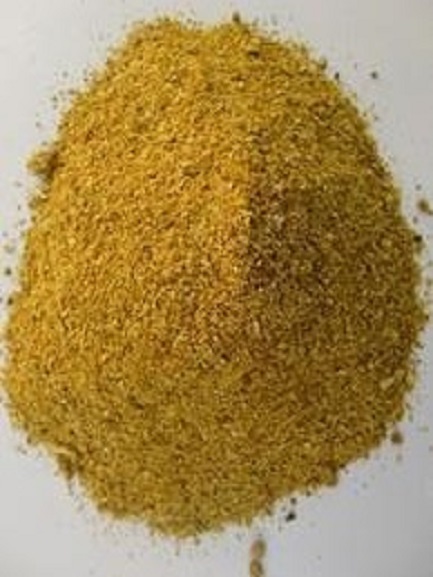
CORN DDGS
Corn DDGS, or Distillers Dried Grains with Solubles, is a co-product of the ethanol production process from corn. It is a valuable feed ingredient used primarily in animal nutrition, particularly for livestock and poultry. The largest exporters of Corn DDGS include the United States, Brazil, and Argentina, which are major producers of corn and ethanol.
These countries have well-established ethanol industries, generating significant quantities of Corn DDGS as a byproduct. Importers of Corn DDGS are diverse and include countries with large livestock industries, such as China, Mexico, the European Union, and countries in Southeast Asia. Corn DDGS is valued for its high protein and fiber content, making it an ideal supplement in animal feed formulations. Its use helps reduce the reliance on traditional feed ingredients like corn and soybean meal, contributing to more sustainable livestock production practices.
The global trade of Corn DDGS is influenced by factors such as corn production, ethanol demand, feed prices, and regulatory policies. Overall, Corn DDGS plays a crucial role in meeting the nutritional needs of livestock and poultry worldwide while supporting the efficiency and sustainability of the animal agriculture sector.
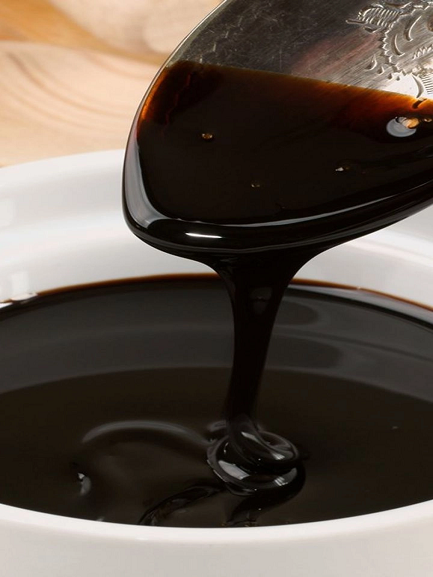
MOLASSES
Molasses is a viscous byproduct of the sugar refining process, produced during the extraction of sugar from sugar cane or sugar beet. It is a valuable commodity used in various industries, including food production, animal feed, and industrial applications. Major exporters of molasses include Brazil, Thailand, India, Australia, and the United States, which have significant sugar production industries.
These countries produce large quantities of molasses as a byproduct of sugar refining operations. Importers of molasses are diverse and include countries with food processing industries, such as China, the United States, Japan, and countries in the European Union. Molasses is utilized in the production of various food products, including sweeteners, confectionery, bakery goods, and alcoholic beverages.
it serves as a valuable ingredient in animal feed formulations, providing energy and essential nutrients to livestock and poultry. In industrial applications, molasses is used in fermentation processes for the production of ethanol, yeast, and other biochemical products. The global trade of molasses is influenced by factors such as sugar production, demand for food and feed ingredients, transportation costs, and regulatory policies governing international trade.
PULSES
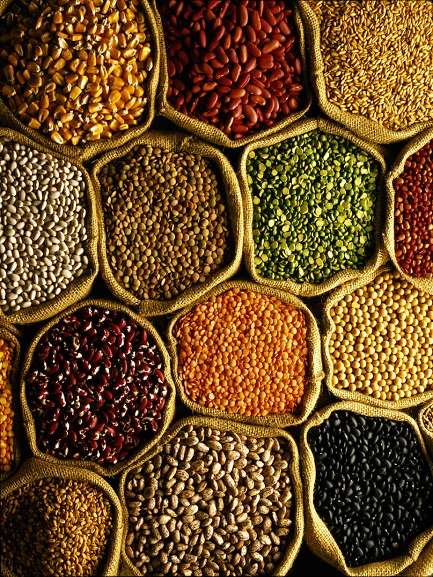
Pulses are a group of leguminous crops harvested for their dry seeds. They are rich in protein, fiber, vitamins, and minerals, making them an essential component of diets worldwide, especially in regions with vegetarian populations. Major pulses include lentils, chickpeas, beans, peas, and pigeon peas, among others. Canada, Australia, and India are major exporters of pulses, with each country specializing in different varieties.
Canada is known for lentils, Australia for chickpeas, and India for a wide range of pulses including chickpeas, pigeon peas, and lentils. Importers of pulses are diverse and include countries in Africa, the Middle East, Asia, and Europe. India is one of the largest importers of pulses due to its high demand and limited domestic production. Pulses are consumed in various forms, including whole, split, ground into flour, or processed into snacks and convenience foods.
They are used in a wide range of dishes such as soups, stews, curries, salads, and snacks. Pulses play a crucial role in sustainable agriculture as they improve soil fertility by fixing nitrogen and require less water compared to other crops. The global trade of pulses is influenced by factors such as crop yields, weather conditions, government policies, and shifts in dietary preferences.
Rapeseed
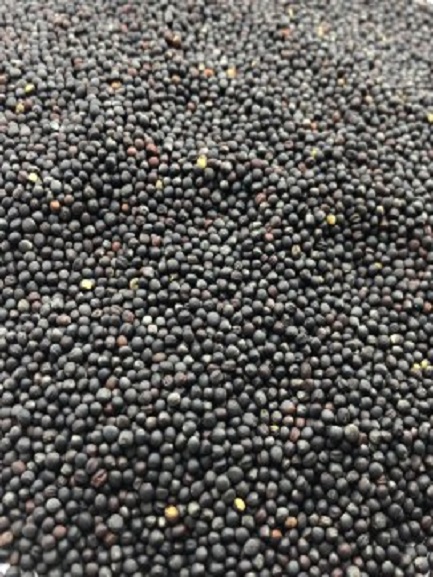
Rapeseed, also known as canola in some regions, is a key oilseed crop cultivated worldwide for its oil-rich seeds. It is primarily grown for the production of rapeseed oil, which is used for cooking, industrial applications, and biofuel production. Major exporters of rapeseed include Canada, Australia, and the European Union, with each region specializing in different varieties and qualities of rapeseed. Canada is the largest exporter of canola, a specific variety of rapeseed with low erucic acid content and high oil content.
Importers of rapeseed are diverse and include countries such as China, Japan, and the European Union. Rapeseed oil is known for its nutritional profile, containing healthy unsaturated fats, omega-3 fatty acids, and vitamin E. It is used in a wide range of food products, including cooking oil, margarine, salad dressings, and mayonnaise. In addition to its culinary uses, rapeseed oil is utilized in industrial applications such as lubricants, plastics, and biodiesel production.
Yellow peas
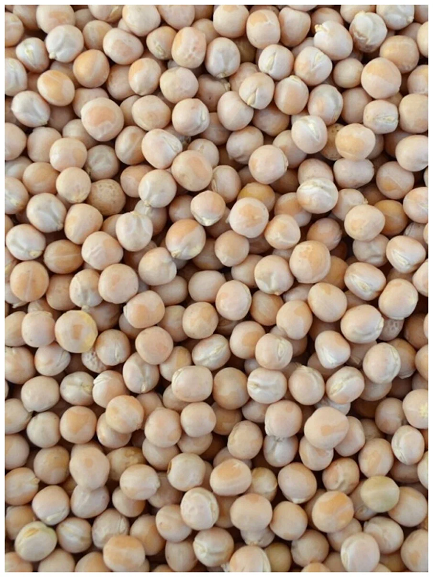
Yellow peas are a type of pulse, belonging to the legume family, and are widely cultivated for their edible seeds. They are rich in protein, fiber, vitamins, and minerals, making them a valuable food source. Major exporters of yellow peas include Canada, Russia, Ukraine, and the United States, with Canada being the largest producer and exporter. Importers of yellow peas are diverse and include countries such as India, China, Bangladesh, and countries in Southeast Asia. Yellow peas are consumed in various forms, including whole, split, or ground into flour.
They are used in a wide range of dishes such as soups, stews, curries, salads, and snacks. Yellow peas are also processed into protein-rich ingredients for plant-based meat substitutes and dairy alternatives. In addition to their culinary uses, yellow peas are utilized in animal feed formulations, providing protein and nutrients to livestock and poultry.
The global trade of yellow peas is influenced by factors such as crop yields, weather conditions, government policies, and shifts in dietary preferences. Overall, yellow peas play a crucial role in global food security, nutrition, and sustainable agriculture, contributing to the health and well-being of people and animals around the world.